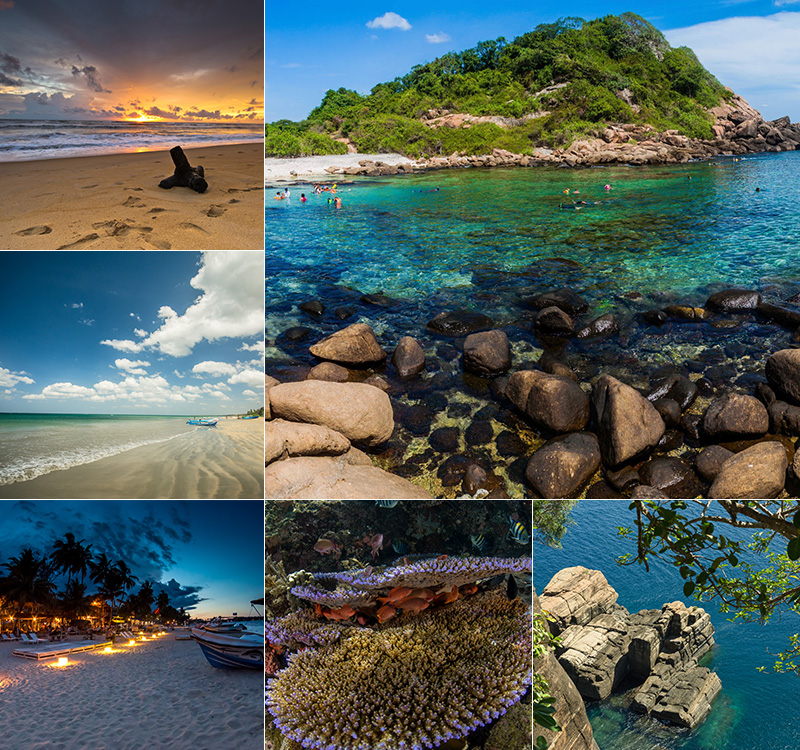
Ampara
Anuradhapura
Badulla
Colombo
Galle
Gampaha
Hambantota
Jaffna
Kaluthara
Kandy
Kegalle
Kilinochchi
Kurunegala
Mathale
Matara
Monaragala
Mullativu
Nuwara Eliya
Polonnaruwa
Puttalam
Rathnapura
Trincomalee
Vavuniya
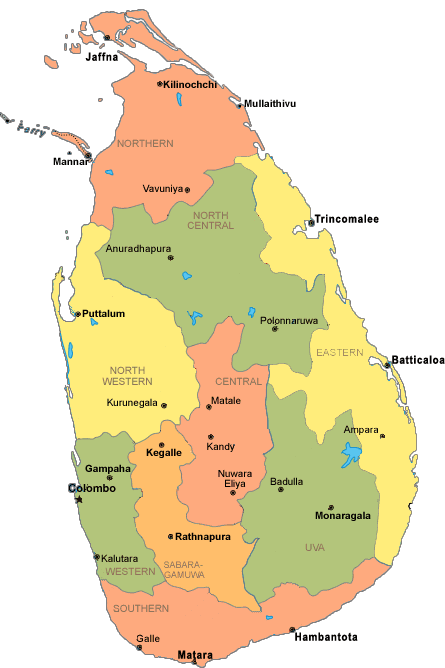
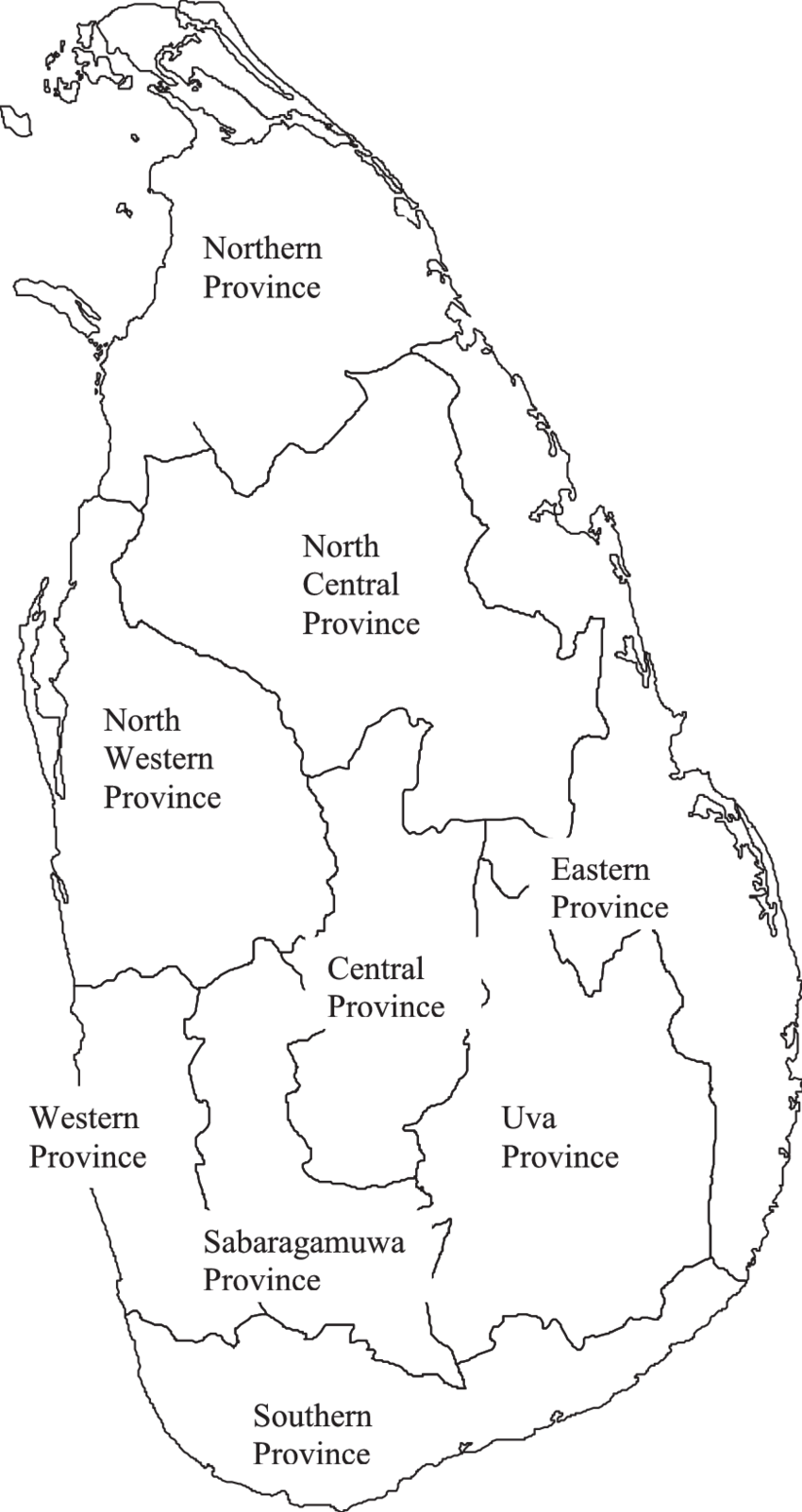
In Sri Lanka, districts (Sinhala: දිස්ත්‍රි‌ක්‌ක, romanized: Distrikka, Tamil: மாவட்டம், romanized: Māvaṭṭam) are the second-level administrative divisions, and are included in a province. There are 25 districts organized into 9 provinces. Each district is administered under a district secretary, who is appointed by the central government. The main tasks of the district secretariat involve coordinating communications and activities of the central government and divisional secretariats. The district secretariat is also responsible for implementing and monitoring development projects at the district level and assisting lower-level subdivisions in their activities, as well as revenue collection and coordination of elections in the district. A district is divided into a number of Divisional Secretary's Divisions (commonly known as DS divisions), which are in turn subdivided into 14,022 grama niladhari divisions. There are 331 DS divisions in the country.
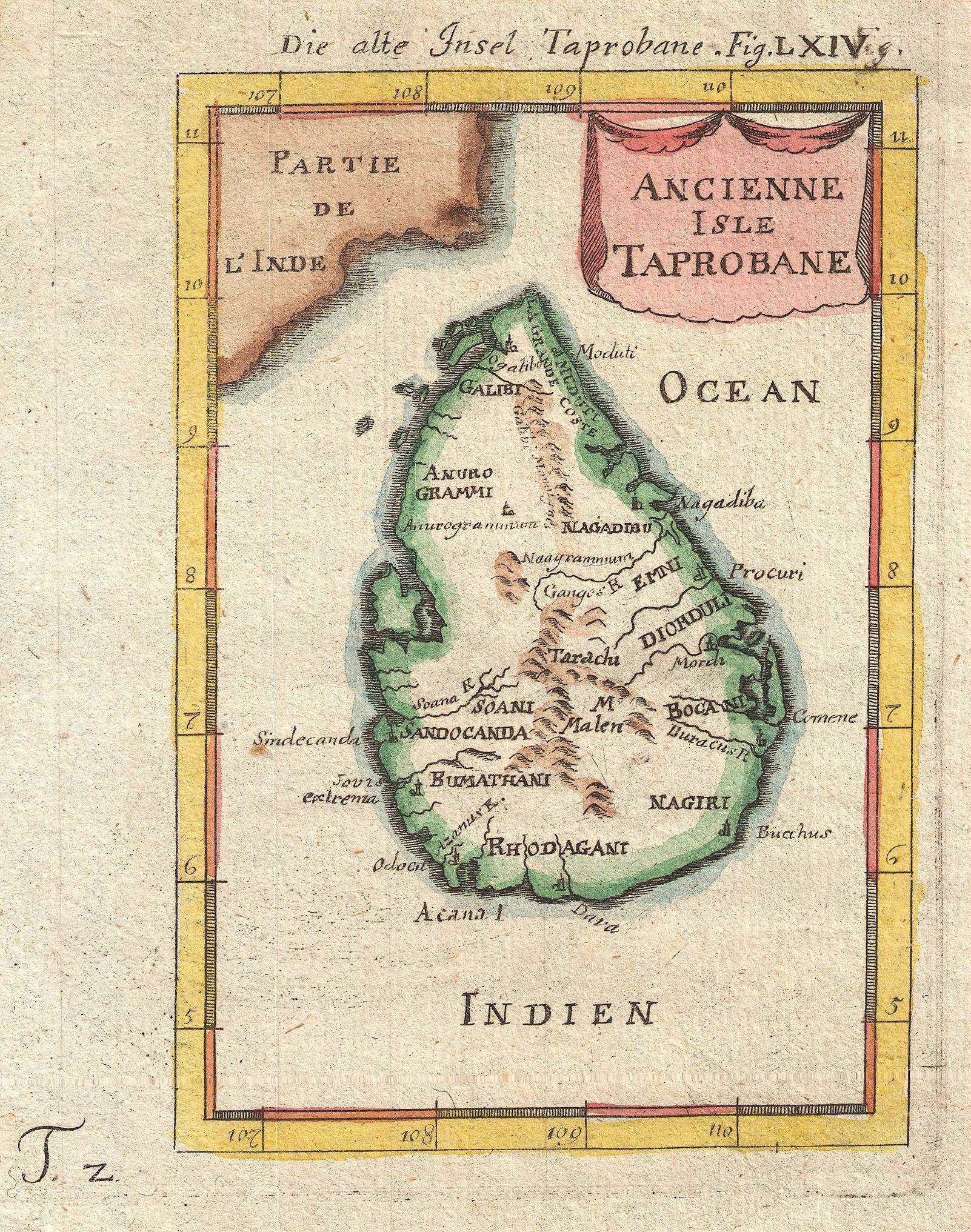
History : The country was first divided into several administrative units during the Anuradhapura Kingdom. The kingdom was divided into three provinces; Rajarata, Ruhuna and Malaya Rata. These were further subdivided into smaller units called rata. Over time, the number of provinces increased, but the second-level administrative division continued to be the rata. However, with the country eventually being divided into more than one kingdom and with foreign colonial missions landing and taking parts of the country under their control, this structure began to change. The territory of the Kotte Kingdom was organized into four disavas, which were further subdivided into forty korales. The korales had their own civil and military officials with a small militia. The Jaffna kingdom appears to have had a similar administrative structure to this with four provinces. When the Portuguese took over parts of the country after their arrival in 1505, they maintained more or less the same administrative structure followed by Sri Lankan rulers. During the Dutch rule in the country, the terrain under their control was divided into three administrative divisions. These were subdivided into disavas as in earlier systems. The British initially continued this system, but following reforms in 1796 to 1802, the country was divided according to ethnic composition. This was abolished by the Colebrook–Cameron reforms in 1833 and a legislative council was created,[16] making the island a politically and administratively single unit. Five provinces were created, later expanded into nine, and these were subdivided into twenty-one districts. These districts were administered by officials known as Government Agents or Assistant Government Agents. In 1955, the district replaced the province as the country's main administrative unit. Ampara District was created in April 1961, followed by the creation of Mullaitivu and Gampaha districts in September 1978 through a new constitution, which also reintroduced the province as the main administrative unit. The last district to be created was Kilinochchi in February 1984, and the current constitution (that of 1978) states that the territory of Sri Lanka consists of 25 administrative districts. These districts may be subdivided or amalgamated by a resolution of the Parliament of Sri Lanka.
15 Top-Rated Tourist Attractions in Sri Lanka

1. Yala National Park

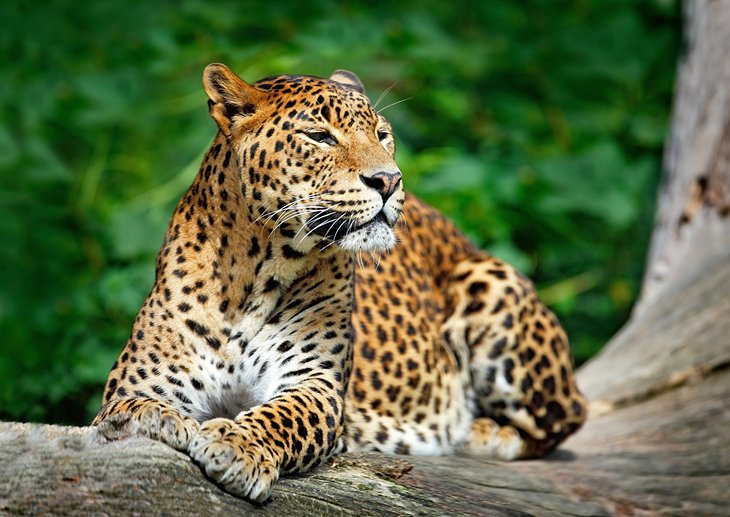
This is where you can do a safari experience Sri Lankan style. The huge national park borders the Indian Ocean and has a wide range of different ecosystems. From the marine environment of the coastline to grasslands to tropical rainforests inland. The most popular animals to see here are elephants, leopards, and crocodiles. There are also over 200 bird species that make their home in the park area, including several endemic to Sri Lanka. Aside from the fauna and flora, the park is home to two historic and very popular religious pilgrimage sites. The temples of Situlpahuwa and Magul Vihara draw four times as many visitors to the park as the animals do. Yala National Park is on the southeast coast of the island near the city of Hambantota.
2. Colombo Lotus Tower

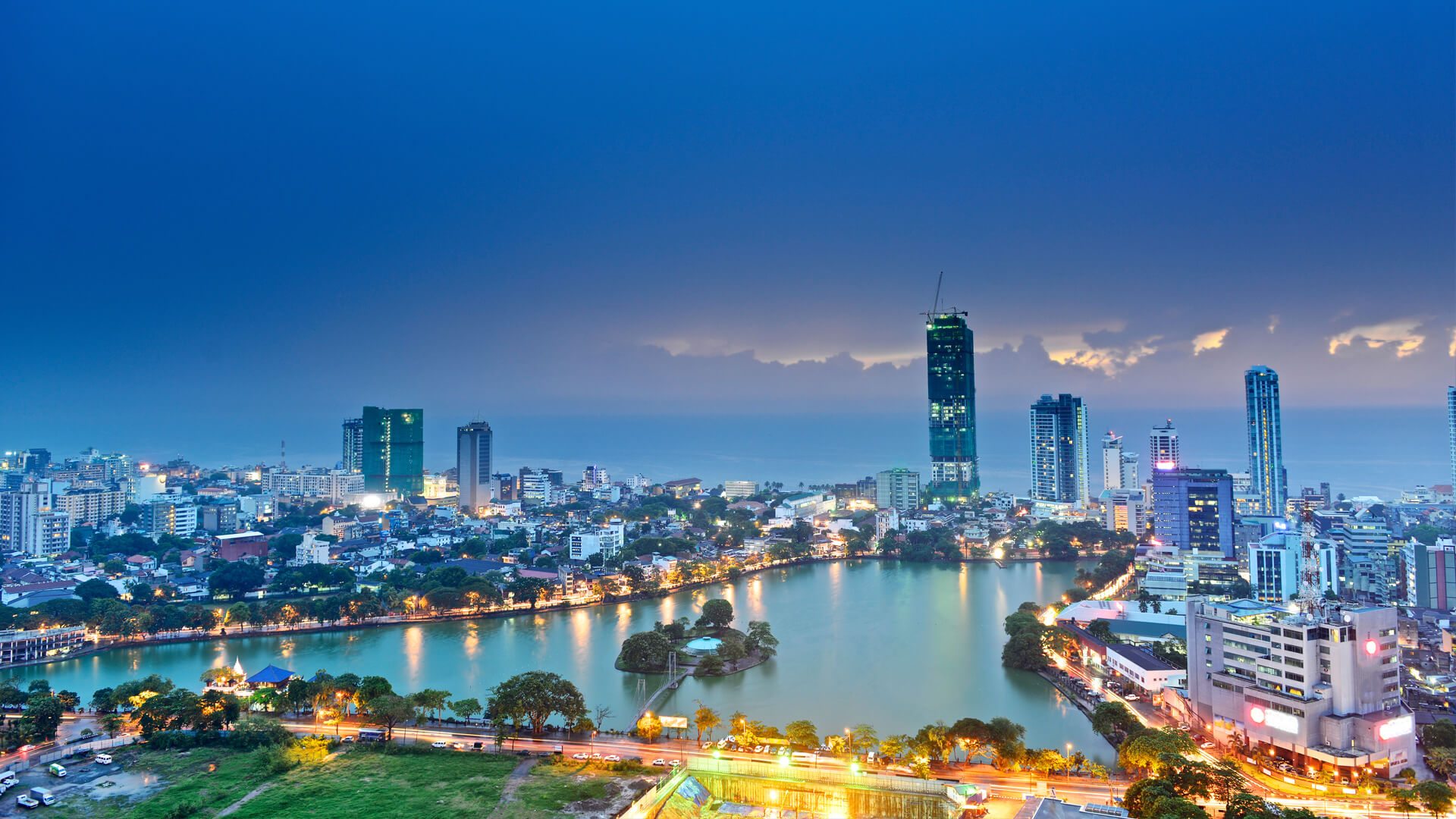
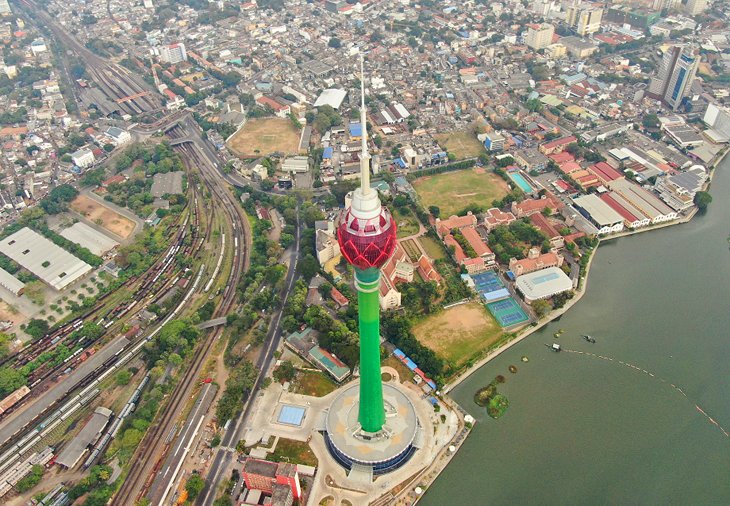
One of the best tourist attractions in Sri Lanka is also one of the country's newest. The Colombo Lotus Tower opened in the fall of 2019 as South Asia's tallest, free-standing structure. The lotus bulb-inspired tower, which overlooks the entire city and the Indian Ocean, is 1,168 feet (368 meters) tall and offers the city's best views and photo ops. There's a shopping mall in the base of the tower, then you can take super fast elevators up to both indoor and outdoor observation areas. There's also a revolving restaurant at the top, which is a very popular spot for romantic dinners. The exterior of the tower is covered with LED lighting, and they do light shows each evening and on special holidays.
3. Sri Lanka National Museum

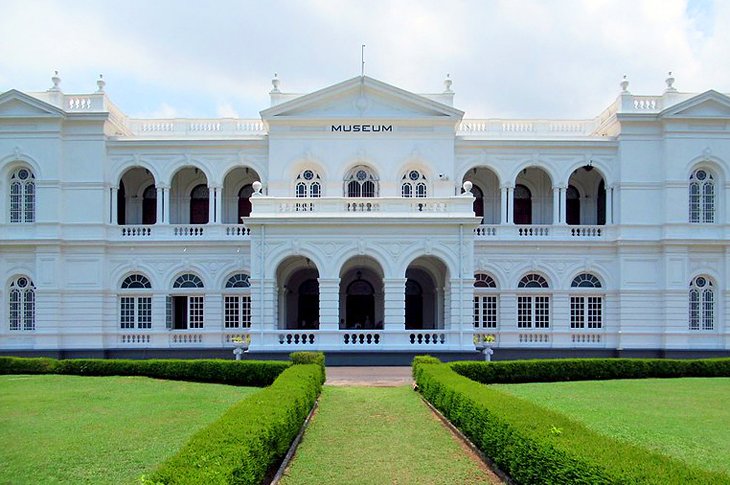
This large museum is also called the National Museum of Colombo, and it tells the fascinating story of the Sri Lankan people and their culture. The museum collection includes various kinds of things, from artifacts to artwork along with jewelry, coins, money, arms, and crafts. The museum has multiple levels and showcases both cultural and natural exhibits. Everything is shown chronologically, starting with the island's prehistoric history. You'll find the museum in central Colombo, near Viharamahadevi Park. It's housed in a Victorian colonial building that was purpose-built for the museum and opened in 1877.
4. Pinnawalla Zoo

The city's original Colombo Zoo is located in the Dehiwala area. It's one of the oldest zoos in Asia. The zoo had a problem in that it was land-locked as Colombo grew, and so a second zoo was opened outside Colombo in Pinnawalla. This large animal park allowed the zoo's management (both zoos are run by the government) to create an ideal place for animals, starting with a blank sheet of paper and almost unlimited space. The zoo has a big leopard compound with a large leap (pack) of leopards. There's also a deer enclosure, which has multiple varieties of deer all living in the same, large natural environment. Because it can be a long drive to the zoo (three hours from Colombo), visitors have a petting zoo to experience, before they even buy tickets. There are birds (ducks, turkeys, swans, and pea fowl), turtles, rabbits and other animals to meet as soon as you arrive.
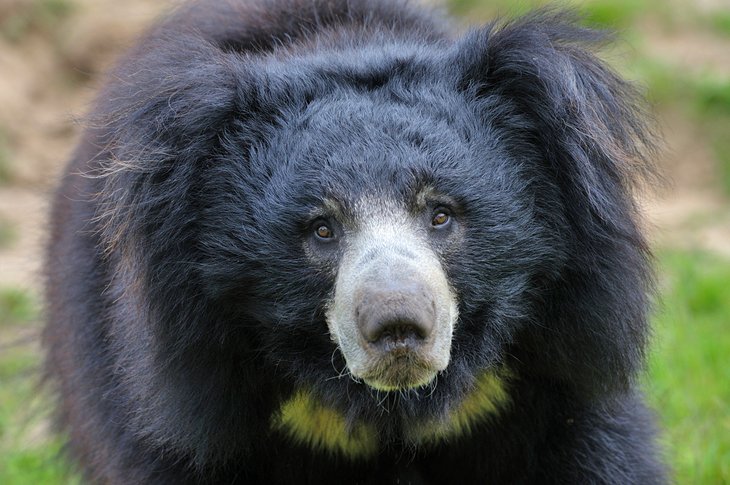
5. National Museum of Natural History

After you've visited the Sri Lanka National Museum and learned about Sri Lanka's cultural history, head to the nearby National Museum of Natural History to trace its physical, wildlife, and natural history. This museum shows the country's incredible indigenous natural history, with examples of animals, plants, and minerals that are endemic to the South Asian island. The island's ancient and prehistoric history is also on display, with some cool fossils and skeletons including those of dinosaurs. It's across from Viharamahadevi Park in central Colombo Yala National Park is on the southeast coast of the island near the city of Hambantota.
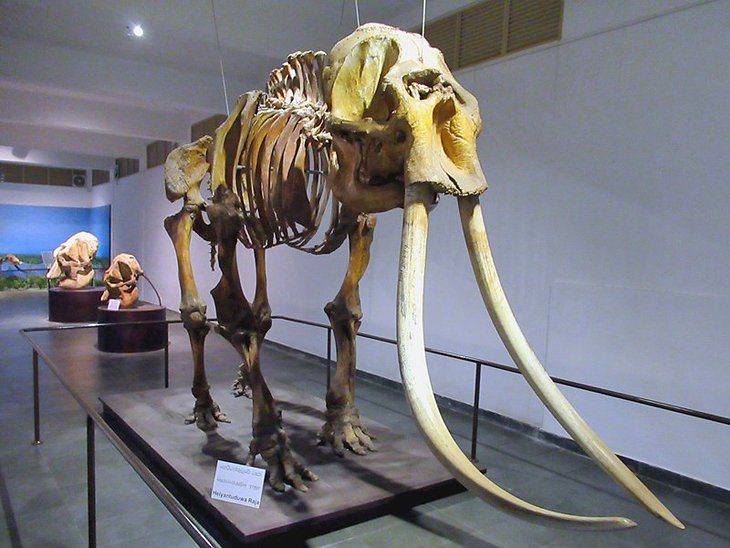
6. Pinnawalla Elephant Sanctuary

Located near the Pinnawalla Zoo, about three hours outside Colombo, this large facility was set up in 1975 to care for orphaned elephants found in the wild. Asian elephants are native to Sri Lanka, and it's a fascinating tourist attraction that allows visitors to interact with these amazing creatures. It's an orphanage for elephants but also a nursery and a captive breeding ground as well. They have the largest population of captive Asian elephants in the world, hovering around 100 animals. You can really learn about elephants here — visitors can watch the babies being cared for and fed with bottles. They can help feed the adults and also watch them get their daily bath in the river. The females and young elephants live as a herd and roam freely. They are led to the river twice a day to drink and bathe
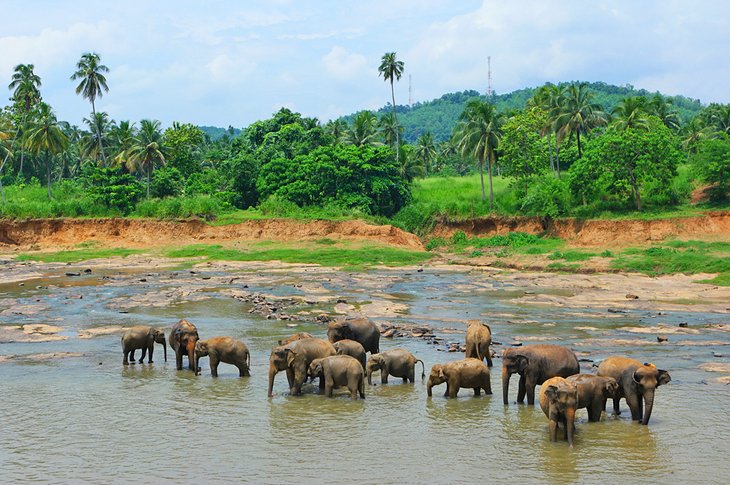
7. Gangaramaya Temple

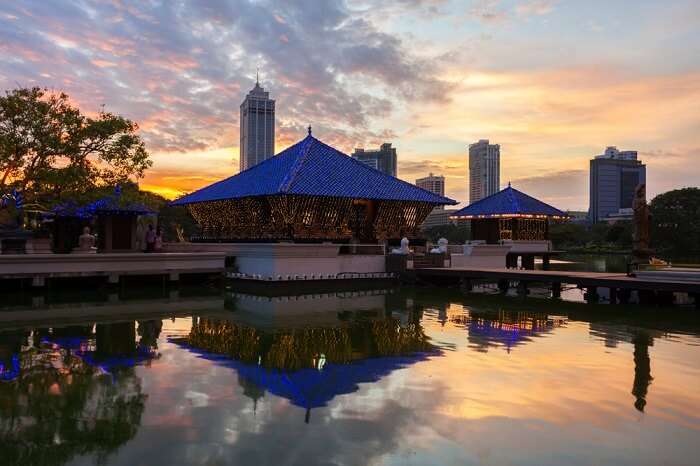
Located in Central Colombo near Bere Lake, this 19th-century Buddhist temple complex interestingly includes a vintage car museum. There's a cool Mercedes and a very rare Rolls-Royce Ghost from the 1920s. The temple is also a religious museum with examples of religious coins, jewelry, and sculpture. The temple was created around a sacred tree to house a sacred relic, a lock of the Buddha's hair. Each year during the Poya or full moon ceremony in February, there's a festival and procession around the area led by the temple's resident elephant
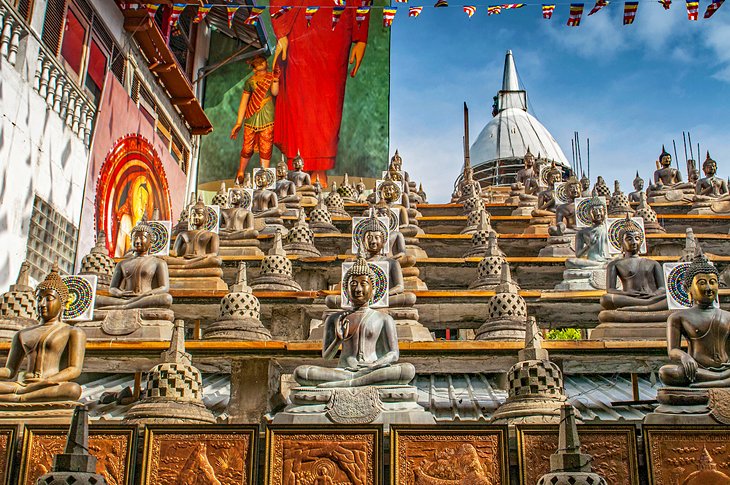
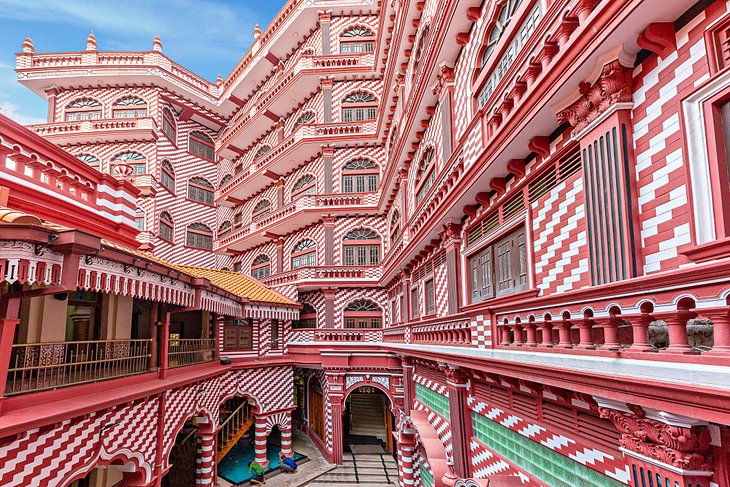
8. Red Mosque

A visit to the striking red and white brick Red Mosque (called "Jami Ul-Alfar Masjid") will yield some insight into the local practice of Islam, as well as some awesome Instagram pics. Inside, the mosque showcases typical religious artwork and design, but it's the outside that really makes it extra special. The exterior red and white bricks are arranged in sometimes eye-fooling designs of spirals, swirls, and alternating patterns. The impact has also made the mosque a visual landmark, easy to spot from arriving ships. The minarets of the mosque are topped with onion-shaped domes, reminiscent of Red Square. The style is called "Indo-Saracenic," and it was a popular architectural style in Asia in the early 19th century when this mosque was built.
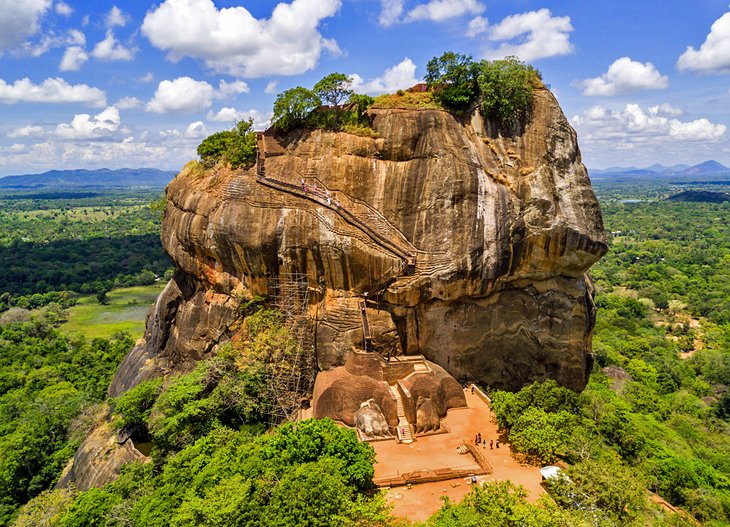
9. Sigiriya

This ancient rock fortress was once the mountaintop palace of the island's king. Believed to have been constructed during the 4th and 5th centuries CE, the palace ruins are at the top of a 660-foot (220-meter) rock formation. The sides of the mountain had giant frescoes painted on them, and halfway up the mountain there's a giant gateway carved in the shape of a lion. The structure's name means lion rock in ancient Sanskrit. The palace above and the city complex below are one of the world's most important examples of urban planning in the first millennium. The ruins are near the town of Dambulla in the Central Province of the country
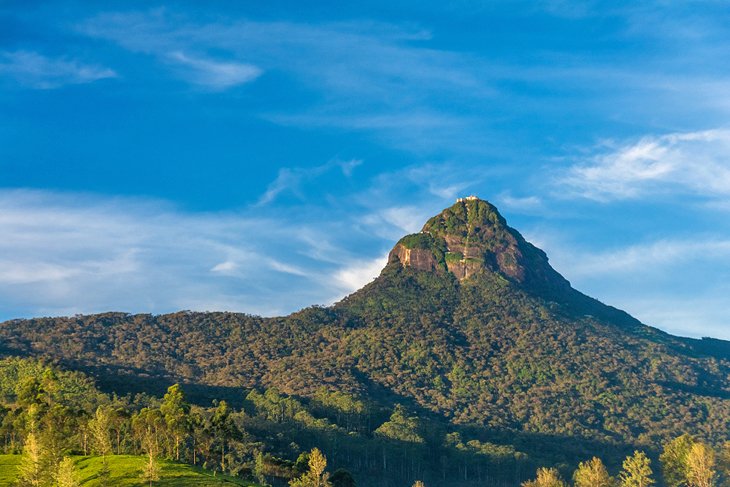
10. Adam's Peak

This large, sacred mountain (7,359 feet/2,243 meters), is topped with a rock formation that has significance to many religions. At the summit, there is a large boulder with an imprint that looks like a footprint. To Buddhists, it's the footprint of Buddha; to Muslims and Christians, it's the footprint of Adam (thus the site's Western name); and to Hindus, it was created by the deity Shiva. Whatever your belief, Adam's Peak is a beautiful natural site to visit, and it's a cool adventure to climb the mountain. The pilgrimage path is mainly steps and stairs, and it takes at least a few hours each way. The mountain is accessed from routes beginning in the village of Nallathanniya in central Sri Lanka. The best times to climb it are between December and May. There are six trails leading to the summit, with varying journey times and varying degrees of difficulty. The paths are lighted at night, and the activity is great for families, as children can easily do it, too. There are rest stops and food vendors along the way
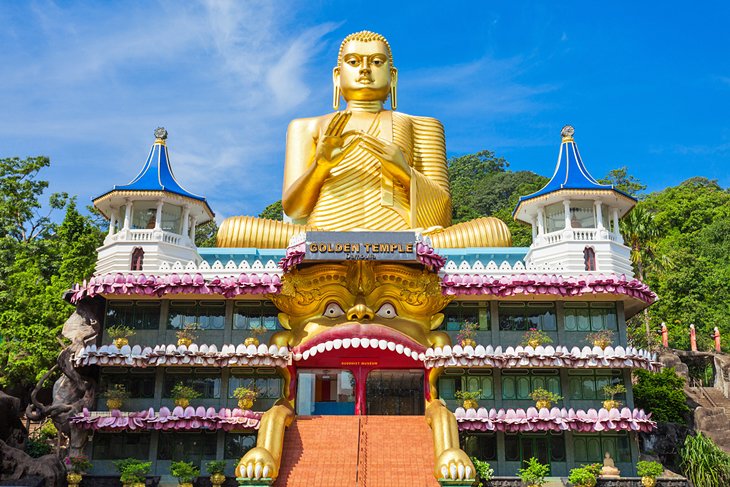
11. Golden Temple of Dambulla

Throughout Sri Lanka there are natural caves that have been enlarged and excavated to be turned into cave temples. Like other temples, they honor Buddha and other deities (and a few kings) with large statues and relics. The Dambulla cave temple is a UNESCO World Heritage site. It's the largest complex in the country and the best preserved. Of particular interest are the beautiful, now-preserved and conserved colorful wall murals that decorate the cave walls. Aside from the cave temples, there is a large, golden Buddha statue at the base of the mountain, giving the site its other name, the Golden Temple of Dambulla. Dambulla is about two hours outside ColomboThis is where you can do a safari experience Sri Lankan style. The huge national park borders the Indian Ocean and has a wide range of different ecosystems. From the marine environment of the coastline to grasslands to tropical rainforests inland. The most popular animals to see here are elephants, leopards, and crocodiles. There are also over 200 bird species that make their home in the park area, including several endemic to Sri Lanka. Aside from the fauna and flora, the park is home to two historic and very popular religious pilgrimage sites. The temples of Situlpahuwa and Magul Vihara draw four times as many visitors to the park as the animals do. Yala National Park is on the southeast coast of the island near the city of Hambantota.
12. Galle Dutch Fort

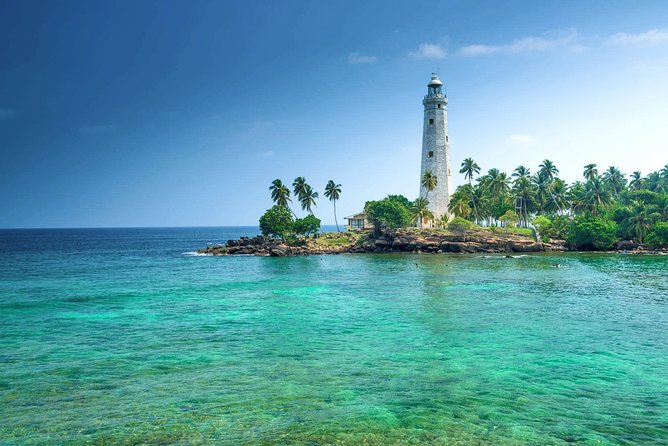
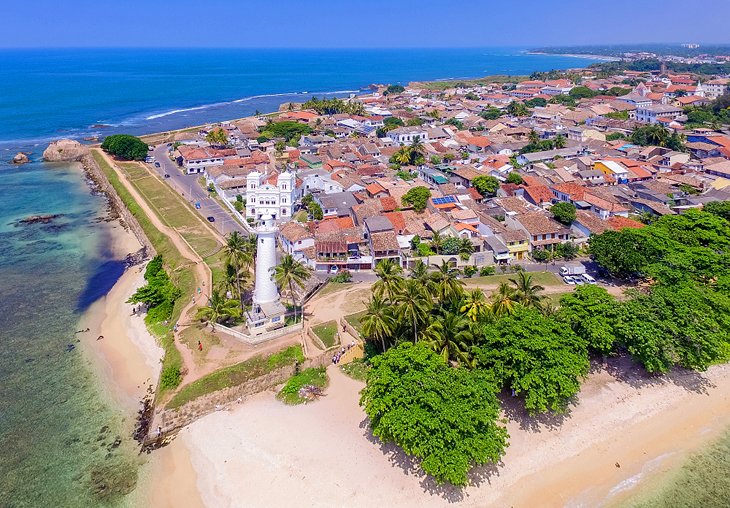
This 16th-century Dutch fortress complex has been turned into a large tourist attraction. Originally built by the Portuguese in the 16th century, most of the structures date to the Dutch colonial period in the 17th century. More than a fort, it's a small fortified village, with homes, churches, a mosque, and lots of shops all within the fortress walls. You can visit the fort and the lighthouse, and there are several museums on the site along with big shopping areas. The Fort, on the southwest coast Sri Lanka, about two hours south of Colombo, is a popular tourist destination with a lot of boutique hotels, some located within the fort's walls.
13. Pedro Tea Estate

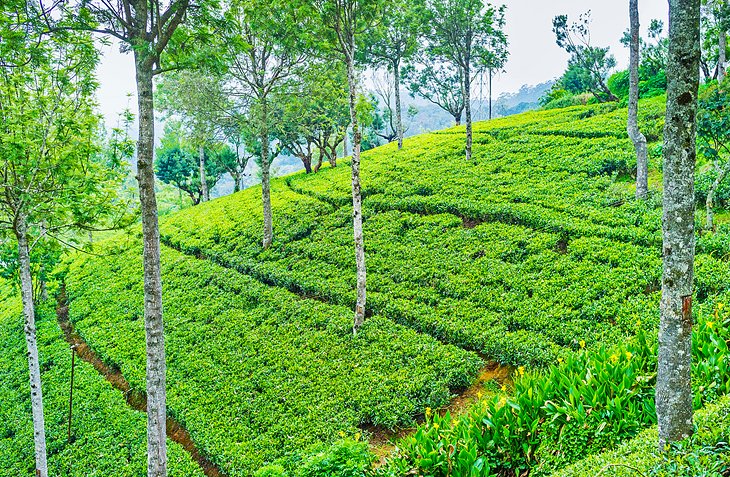
Tea has an important financial history in Sri Lanka since it was first planted by the British on the island in the 19th century. Before that, important crops on the island, then known as Ceylon, were first cinnamon, followed by coffee. Since that time, the country has had a reputation for producing some of the best teas in the world. You can visit a Victorian-era tea plantation and its vintage factory at the Pedro Tea Estate. The estate is in Nuwara Eliya, in central Sri Lanka. You see the whole process — how the tea is grown, then how it's processed and finally graded and shipped around the world. Visitors also have a chance to taste some of the country's legendary teas.
14. National Museum of Kandy

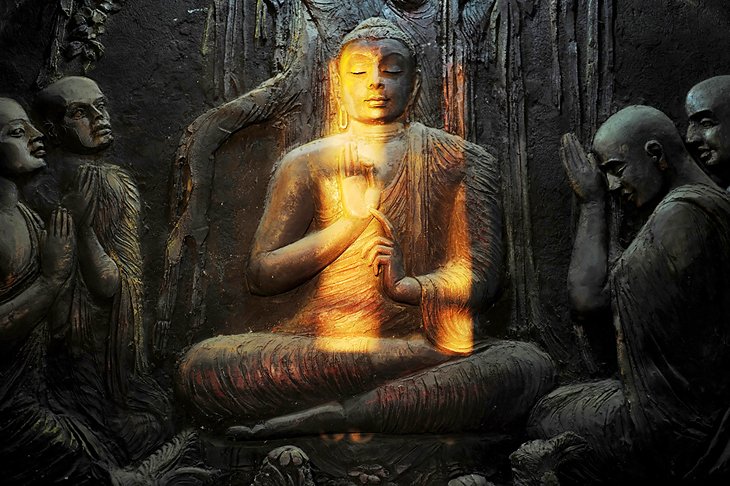
Kandy is a city in the central part of Sri Lanka and is important, as it was the kingdom's last capital city before the colonial era. The beautiful city and its unique history can be explored at the National Museum of Kandy. The main part of the museum is housed in what was the home of the king's harem; additional exhibits are inside the former palace. The museum is filled with artifacts that tell the story of the Kandian era, the time between the 15th and 18th centuries, when the area maintained its independence despite colonization of other parts of the island. Aside from historic objects and artifacts, the museum has an incredible collection of Sri Lankan art, as it's an official repository for native artwork.
15. Temple of the Tooth

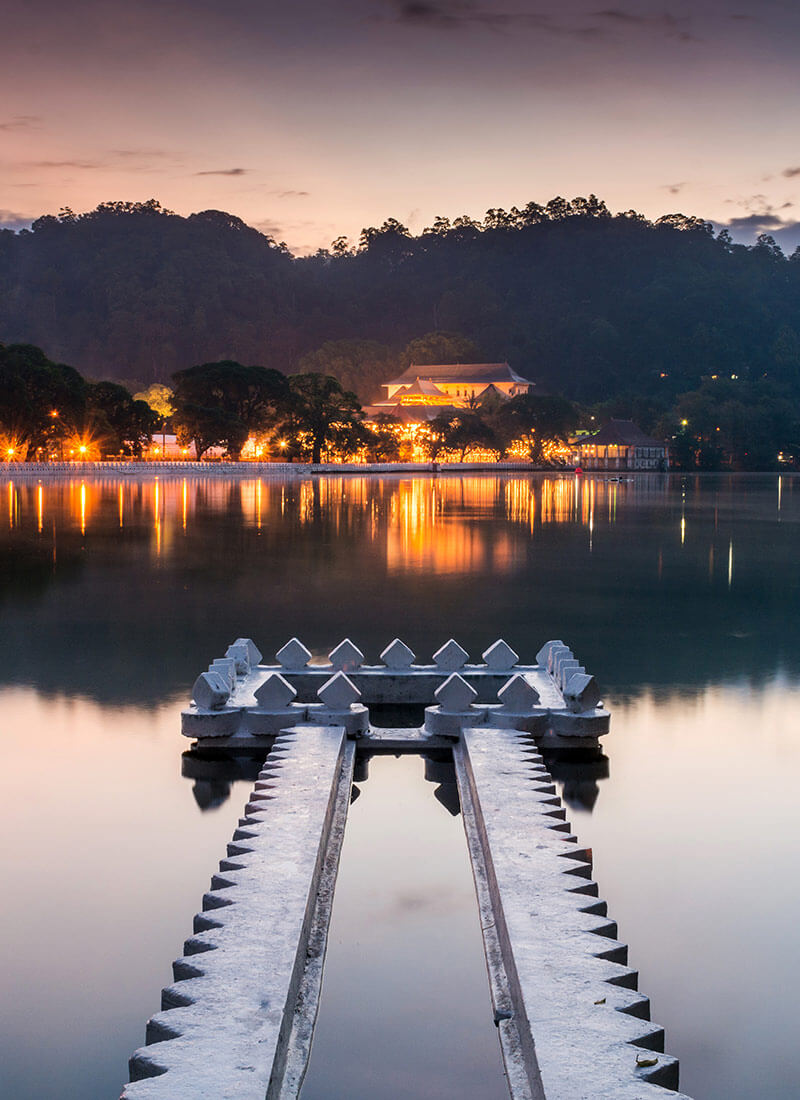
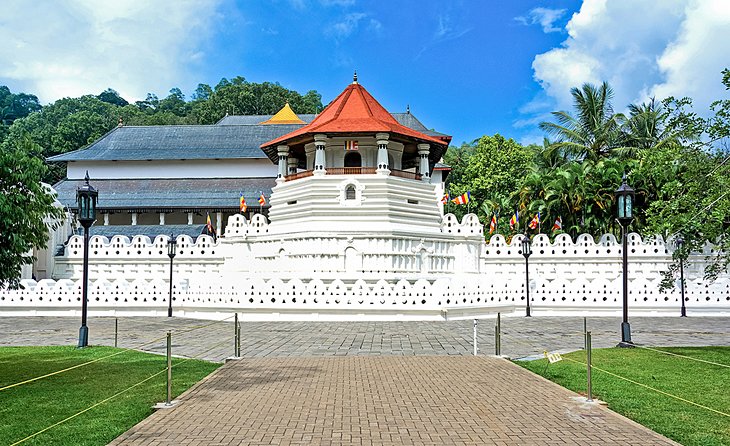
Also in the city of Kandy (right next to the National Museum of Kandy), this temple, and the relic it houses, is one of the most sacred places on Earth for those of the Buddhist faith. The relic, believed to be a tooth of the Buddha, also has an influence on the politics of Sri Lanka, as whoever possesses the tooth is supposed to be the rightful ruler of the country. The Temple of the Tooth is part of the royal palace complex. There are rituals performed at the temple three times a day, with a special ritual bathing of the relic on Wednesdays. The holy water that results from the bathing is believed to have healing powers.
Ampara

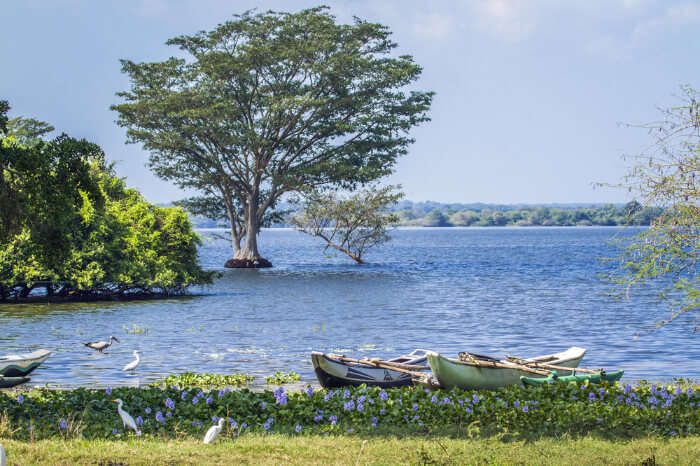
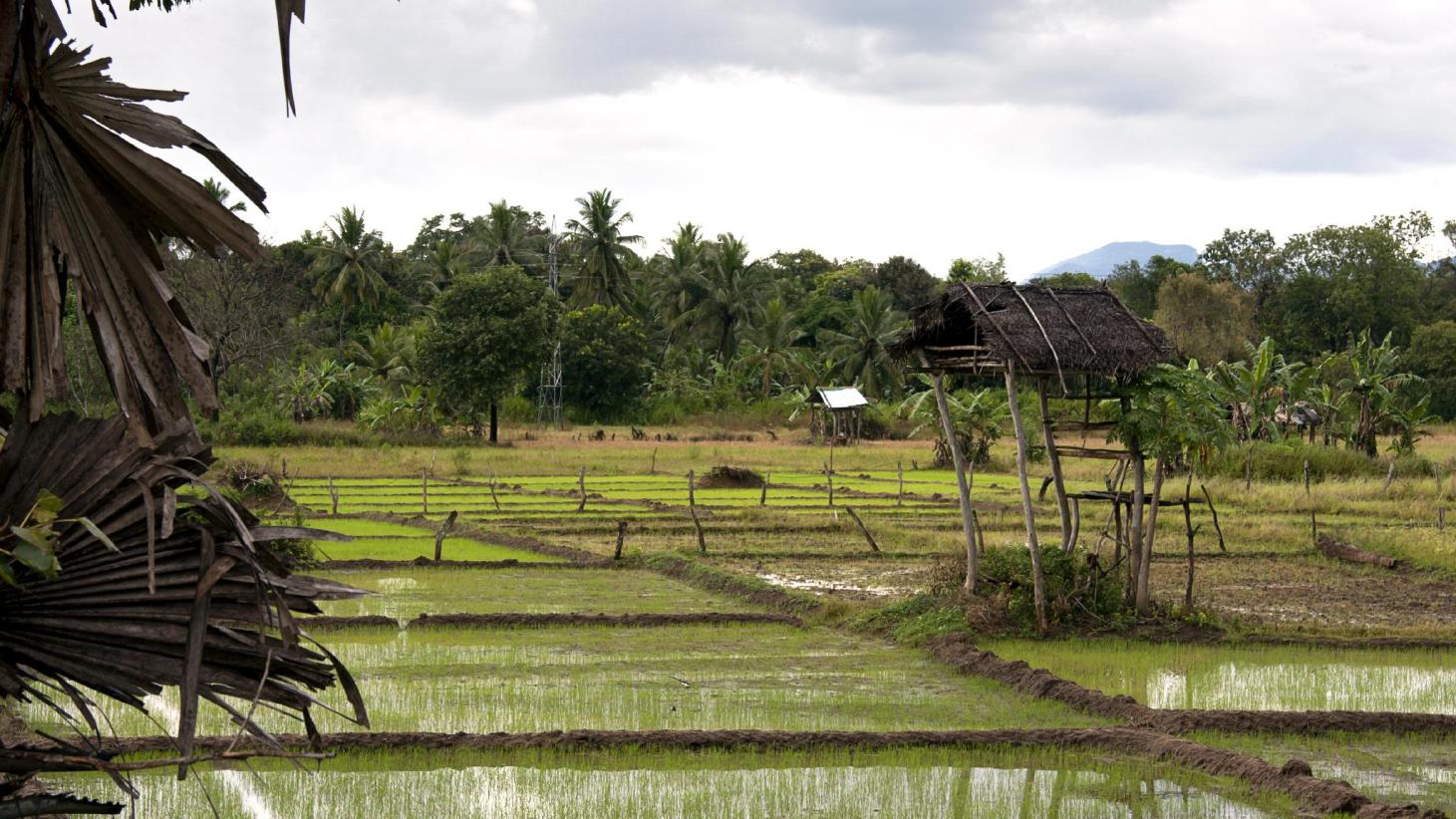
District of Ampara is located in south east of Sri Lanka and belongs to Eastern Province. Ampara District covers area of 4415 sq Km and according to the 2012 statistics the population iss 648,000. 43% of the Ampara District Population are Sinhalese, 38% are Sri Lankan Muslims and 17% are Sri Lankan Tamils. District of Ampara consist of 20 Divisional Districts, 503 Grama Niladhari Divisions and 4 Electoral Districts. In early days the area of Ampara also known as Digamadulla . This is one of the major paddy producing district in Sri Lanka, visitors can see cascading paddy fields extend up to the horizon. This area gets rain mainly during the North East monsoon and used to store rainwater in tanks so they can have water for irrigation purposes throughout the year. Ampara District Weather Condition: Temperature in Ampara : The temperature of Ampra District vary from lowest value of 24 C to 36C. The average temperature is around 30C. December and January are the coldest months Average Rainfall Ampara : 1400 mm. March to September is the dry season and rainy period is from October to February.

Places to Visit in Ampara

Deega Vapi viharaya
Hulan Nuge Tharu Lengala Temple
Magul Maha Viharaya
Rambakan Oya Tank

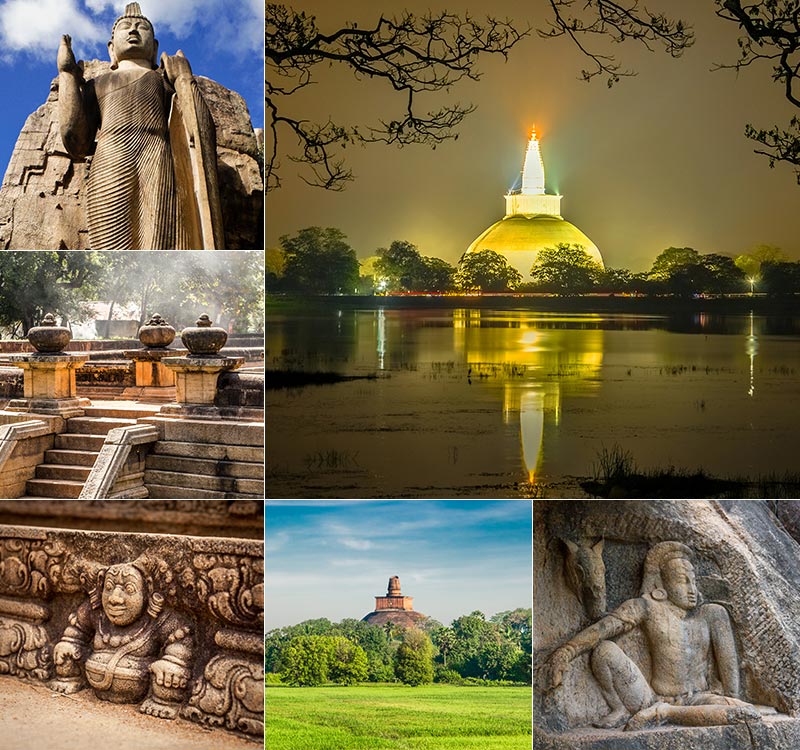
Anuradhapura

The city of Anuradhapura is the provincial capital of North central province. This is bounded by Mannar, Mulathiv and Vavnia districts by North, Kurunegala & Mathale districts by South, Puttalam from west and Pollnnaruawa and Trincomalee districts from east. Anuradhapura is the first capital city of Sri Lanka. This capital city was first founded by King Pandukabhaya in 377 BC. Upon the Arrival of Buddhism with Arahath Maninda Thero, Anuradhapura became more established city in the country with many rich cultural & religious values. Kings of Anuradhapura became the ruler of entire Sri Lanka. There are many sacred Buddhist places such as Jaya Sri Maha Bodhiya, Ruwanmeli Maha seya located in this district. Kingdom Of Anuradhapura was under invasion from South Indian kings time to time and then Polonnaruwa became the capital city of Sri Lanka. The Anuradhapura city has a land Extent of 7,179 Sqkm and according to the latest statistics current population is 886,945. Agriculture is the main source of income and there are many tanks, which were built by ancients kings still in use.

Places to Visit in Anuradhapura

Kuttam pokuna
Ritigala
Thnthirimale
Ruwanweli Maha Seya

Badulla

Badulla District belong to the Hill country of Sri Lanka and rich with many tourist and religious attractions for both local and foreign Visitors. Number of famous waterfalls such as Babarakands; the highest in Sri Lanka add colors to its natural beauty. The sacred Muthyangana Rajamaha Vihara, located in Badulla Town is one of the prominent Buddhist attraction in the region. The District of Badulla governs under Uva Province of Sri Lanka. This district extent over 2861 square km( 2866100 Hectares) of land and according to 2011 statistics, the population of Badulla District is 886,000. Badulla is an agricultural district and tea is the main commercial crop. You can see many cascading tea gardens by the roadside. Paddy and vegetables also cultivated in large scale.

Places to Visit in Badulla

Sorabora Wewa
Adisham Bungalow
Dova Rock Temple
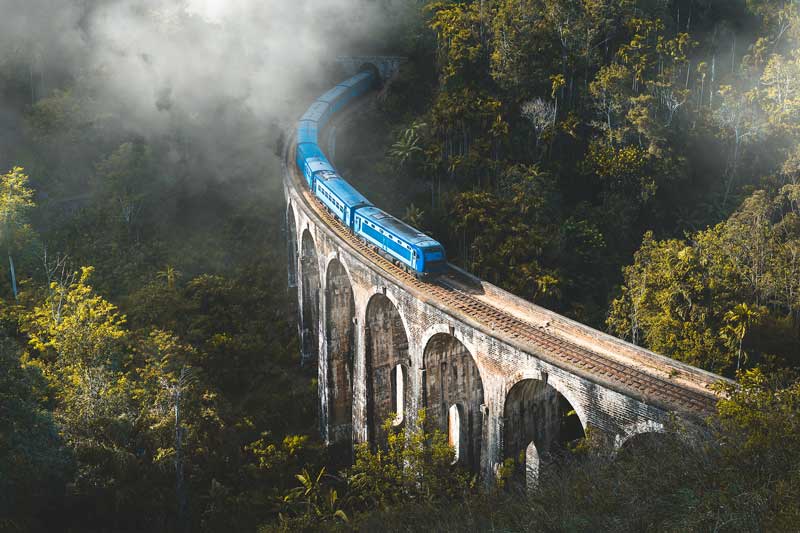
Nine Arches Bridge

Colombo

Colombo is the most prominent political and financial district in Sri Lanka. Colombo is the smallest district In the country with just 699 sq km in size. District of Colombo is bounded by the sea from western side, Bolgoda Lake from south, Kalani River from north and Sabaragamuwa province from the east. Colombo has 15 Electoral divisions, 13 Divisional Secretariats and 557 Grama Niladari Divisions. According to 2012 statistics, the population of the Colombo District is nearly 2.3 million. Colombo city is the commercial capital in Sri Lanka and the Sri Jayawardanapura is the administrative capital. Colombo public transportation is mainly contributed by buses and the Fort railway Stations function as the central station in the country. Three Wheel Taxies Are abundant in city roads and most of them are equip with meters. There are many tourist attractions in the Colombo District and you can visit them within the short time. City accommodation varies from Star Class Hotels to budget hotels, which will suite different type of visitor requirements. Colombo is getting a new look due the recent ongoing beatification process.

Places to Visit in Colombo

Colombo Town Hall
Lotus Tower
Arcade Shopping Complex
Gangarama Temple

Galle

District of Galle , belongs to Southern Province and has a long historical records. Even the city of Galle was marked in the "Ptolemy's" world map done on 125-150 AD. Even though the city areas are urbanized with fast moving development in the country, if you visit the country side, still you can witness the typical Sri Lankan traditional villages neighborhood. Due the southern highway, the Galle is just one hour away from the Colombo. Galle district extent over 1,652 sqkm of area and the population nearly 1.1 million. District of Galle Has 18 local authorities including one municipal council, 2 urban councils and 15 Pradeshiya Sabhas. The city of Galle is the main commercial hub in the district. Galle offers many attraction for its visitors. The famous Galle Fort is the prominent site and rated as a UNESCO world heritage site. This district also located by the boundary of Singharaja forest reserve, which is another UNESCO heritage site. The city of Ambalangoda is famous for Sri Lankan Masks and Hikkaduwa beach is A world famous tourist destination.

Places to Visit in Galle

Seenigama Devalaya
Mask Museum
Madu Ganga Wetland

Gampaha

District of Gamapaha located in the western part of Sri Lanka and administrated under the Western Provincial Council. This district extents for the area of 1,387 sqkm has a population of 2.3 million. This is bounded by Colombo district by South, Indian orcean by west, Kurunegana & Puttalam districts from north and Kegalle district from east. The City of Gampaha Is the main town. Gampaha has many tourist and religious attractions. Even though the main city areas became much urbanized , if you travel bit deep, still you can find the typical Sri Lankan village life. The Bandaranayake international Airport, the main aviation hub in Sri Lanka is located in Katunayaka. Kalania Temple is a very prominent religious attraction and Load Buddha visited this place during his 3rd visit to Sri Lanka.

Places to Visit in Gampaha

Warana Rajamaha Viharaya
Pilikuththuwa Raja Maha Viharaya
Water World Kelaniya

Hambantota

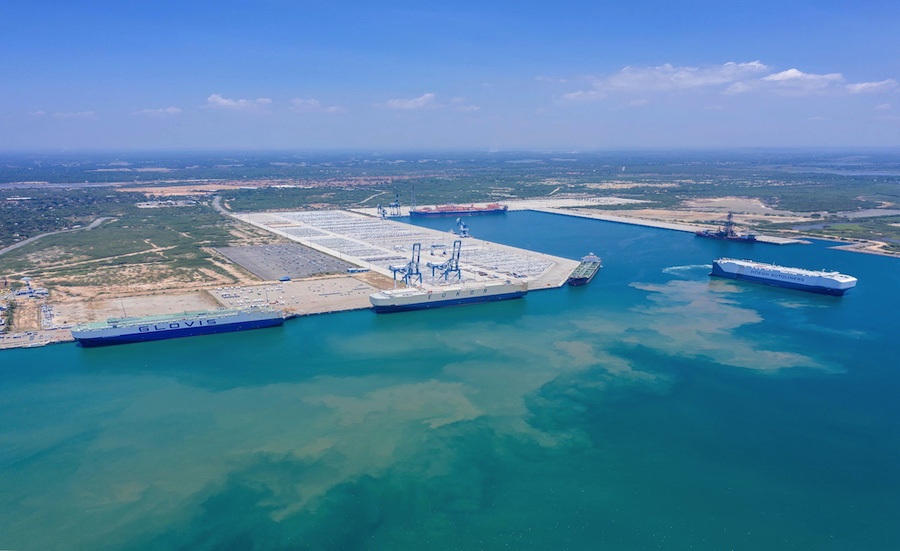
Hanbanthota district is located in south eastern province in Sri Lanka and occupies an area of 2600 sq km. This district of Hambanthota located nearly 250 km away from Colombo. It can be reach mainly from A2 coastal highway or other routes which flows through the country side. Plans are underway to extend the southern expressway to from Matara to Hambanthota. So that makes more quick and easy accessibility. The completion of ongoing Matara Kataragama railway line, Hambantho will be connected to Sri Lankan railway network. The name "Hambanthota" derived with the combination of two Sinhalese words , "Hamban" and "Thota". The name "Hamban" is used to call for a types of sailing crafts. The meaning of "thota" is port. Early days, this city was used as a port and there were lots of "Hamnan" sea craft arrive here for trade. District oif Hambanthota has for many religious, cultural and wildlife attractions in Sri Lanka. Yala National park, Katharagama Devalaya and Mirijjawila Botanical Garden are some of them. This district has some unique geographical creations, which re not so common in other part of Sri Lanka. The Ussangoda park, Blow-Hole in Tangalle and Sooriyawewa- Madunagala hot water springs are some of them. Until last decade , Hambanthota was a neglected city and not much development happened when compare with the other districts. But with the opening of Hambanthota Port and other development activities, this city became hot topic in most of the business forums. Recently Shangila hotel chain has opened their newest hotel in Hambanthota.

Places to Visit in Hambantota

Yatala Viharaya
Yala National Park
Kirinda Rajamaha Viharaya
Bataatha agro Technology Park
Thissa Wewa

Jaffna

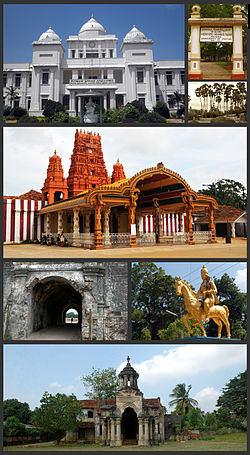
District of Jaffna is located northern top of Sri Lanka and become a popular destination for locals tourists. The main city of this district is Jaffna town and it’s the center of Sri Lankan Hindu culture. Jaffna city can be easily access by the northern railway line and the A9 Kandy Jaffna highway. Another alternative road way is via recently built Sankupitti Bridge from Punarin. Vast majority of the Jaffna population are Sri Lankan Tamils. Hinduism is the widely followed religion and considerable amount of Catholics also live there. Nallue Kandasamy Kovil is the most prominent Hindu Kovil and there are some historical Buddhist heritage sites are also located in Jaffna district.

Places to Visit in Jaffna

Dambakolapatuna
Jaffna Fort
Keeramale Pond
Naga Poshini Ambal Kovil
Nilavarai Bottomless Well

Kaluthara

District of Kaluthara is located in western province in Sri Lanka, bordering Colombo , Ratnapura, Galle Districts and the sea. This district covers the areas of 1606 sq Km and consists of 14 divisional secretariats. The main economic cultivations in this district are rubber and paddy. Due to its location by the sea, there are many tourist hotels located in the sea belt. Many start class hotels can be seen in Wadduwa, Waskaduwa, Beruwala and Aluthgama towns. Galla road is the main transport route in the district and the costal railway line runs parallel to that. Southern highway makes easy access to the some of the inner cities of the Kaluthara district. The city of Kaluthara is the main city in this district. The famous Kaluthra bodhiya located in this town by the Kaluganga.

Places to Visit in Kaluthara

Panadura Beach
Rankoth Viharaya
Kande Viharaya

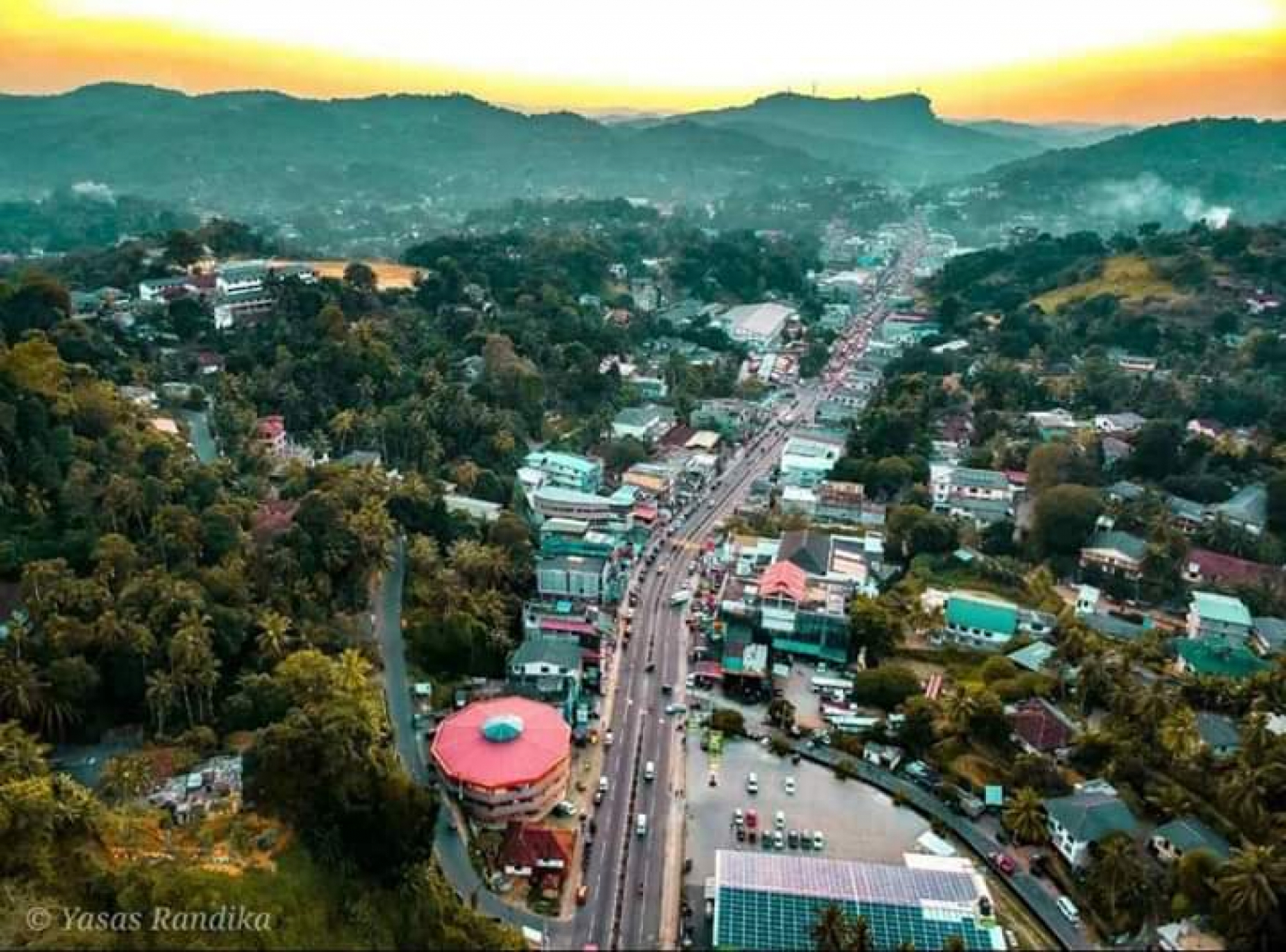
Kandy

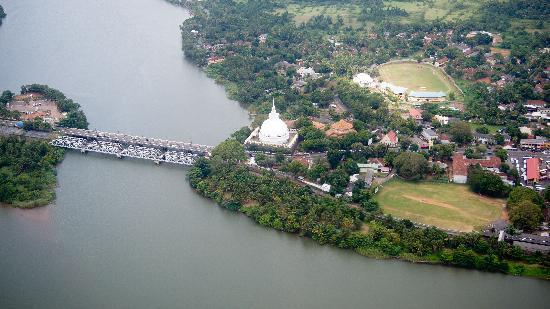
Kandy is a popular religious and tourist destination in Sri Lanka. This city was the last Sri Lankan Royal kingdom and captured by British in year 1815. Kandy is located 490m above the see level and 115 km away from Sri Lankan capital, Colombo. Kandy also known as "Mahanuwara", in Sinhalese language, that means "main city" or the "great city". The city of Kandy is a world famous city because of the Dalada Maligawa, where the Sacred Tooth Relic of Load Buddha is located. This palace is visited by Buddhist devotees from all part of the world. Many foreign tourists used to visit Kandy during the "Esala Perahara" time which usually schedule in July/ August Time. This is a colorful Buddhist cultural parade to tribute the Tooth Relic of Load Buddha and this event held for 10 days of time. Due to its cultural importance, this city was named as a "World Heritage Site" by UNESCO.

Places to Visit in Kandy

Peradeniya Botanical Garden
Degaldoruwa Viharaya
Lankathilaka Viharaya
Hindagala Temple

Kegalle

Kegalle is a large town in Sabaragamuwa Province of Sri Lanka. It is located on the Colombo–Kandy road, approximately 78 km from Colombo and 40 km from Kandy. It is the main town in the Kegalle District, which is one of two districts which comprise Sabaragamuwa Province. The town is governed by an Urban Council.

Places to Visit in Kegalle

Aluth Nuwara Dedimunda Devalaya
Pinnawela elephant Orphanage
Seethawaka Berendi Kovil

Kilinochchi

Kilinochchi is the main town of Kilinochchi District, Northern Province of Sri Lanka. Kilinochchi is situated at the A9 road some 100 km south-east of Jaffna. It was the administrative center and de facto capital of the LTTE until 2 January 2009, when troops of the Sri Lankan Army recaptured the city

Places to Visit in Kilinochchi

elephantpass War Memorial
Iranamadu Tank
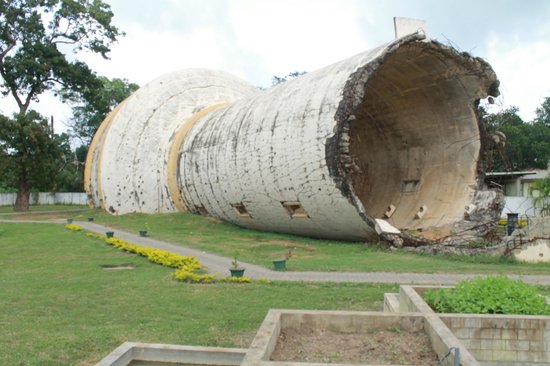
Kokavil Tower and War Memorial

Kurunegala

Kurunegala is a major city in Sri Lanka. It is the capital city of the North Western Province and the Kurunegala District. Kurunegala was an ancient royal capital for 50 years, from the end of the 13th century to the start of the 14th century.

Places to Visit in Kurunegala

Ridi Viharaya
Sri Gautama Sambuddha Raja Maligawa
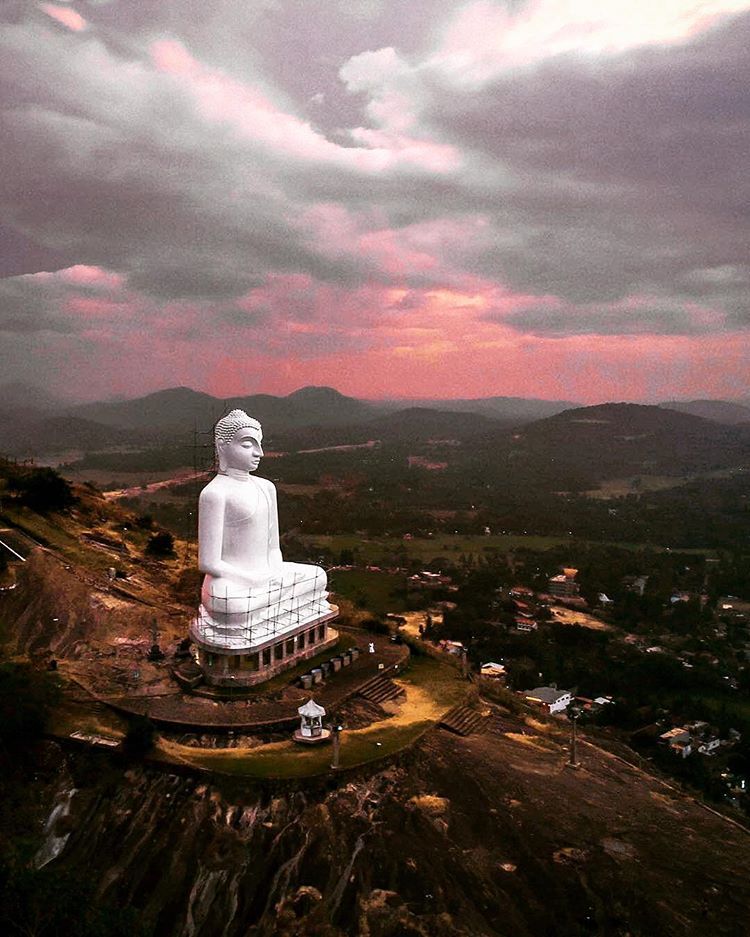
Rambodagalla Buddha Statue

Mannar

Mannar is the main town of Mannar District, Northern Province, Sri Lanka. It is governed by an Urban Council. The town is located on Mannar Island overlooking the Gulf of Mannar and is home to the historic Ketheeswaram temple.

Places to Visit in Mannar


Historic Ketheeswaram

Matale

Matale is the administrative capital and largest urbanised centre in the Matale District, Central Province, Sri Lanka. It is located at the heart of the Central Hills of the island and lies in a broad, fertile valley at an elevation of 364 m above sea level.

Places to Visit in Matale

Dambulla Rock Temple
Pidurangala Viharaya
Kaludiya Pokuna

Matara

Matara is a major city in Sri Lanka, on the southern coast of Southern Province. It is the second largest city in Southern Province. It is 160 km from Colombo. It is a major commercial hub, and it is the administrative capital and largest city of Matara District.

Places to Visit in Matara


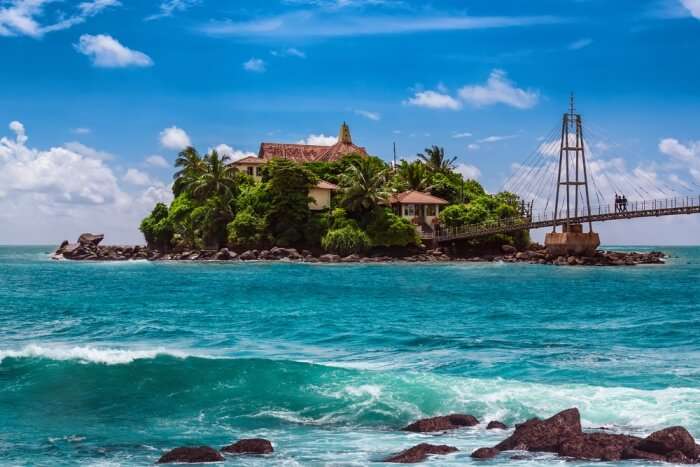
Paravi Dupatha Temple
Rampart
Dutch architecture

Monaragala

Monaraga is the second largest district in Sri Lanka and home for many historical, religious and natural attractions. The the city Monaragala got its name from a native Singhalese meaning of "peacock habitat rock". Majority of the area of this district is covered with natural forest coverage. Due to that, elephants, deer, wild boars and other wild animals can be easily spotted in this area. The Yudaganawa, Buduruwagala and Maligawila are among the main religious heritage sites located in this district and there are many more scattered throughout. Monaraga is located in dry zone of Sri Lanka and majority of the workforce involved in agriculture activities for their live hood. Paddy is the main cultivations and there are many vegetable and fruit producers as well. Many of the rural population involved with Chena cultivation as their live hood.

Places to Visit in Monaragala

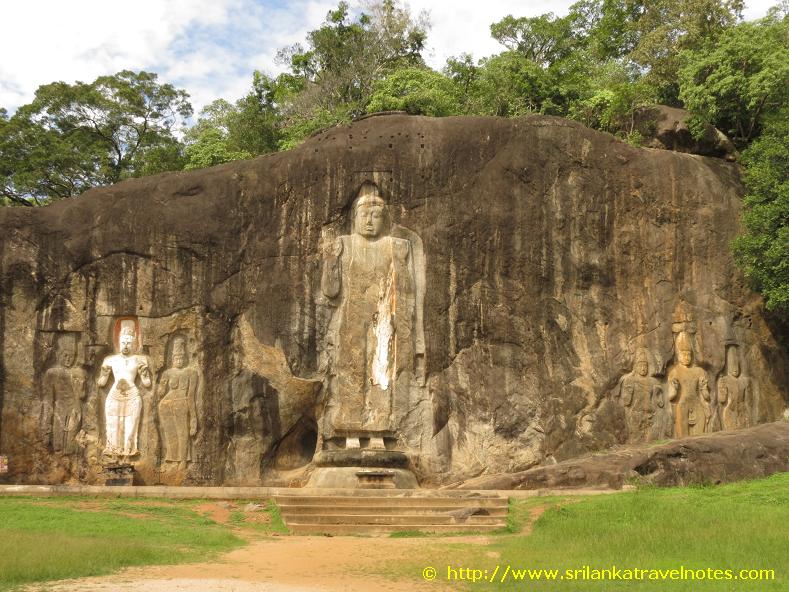
Buduruwagala
Yudaganawa Temple
Govinda Hela

Mullativu

Mullaitivu is the main town of Mullaitivu District, situated on the north-eastern coast of Northern Province, Sri Lanka. A largely fishing settlement, the town in the early twentieth century grew as an anchoring harbour of the small sailing vessels transporting goods between Colombo and Jaffna.

Places to Visit in Mullativu

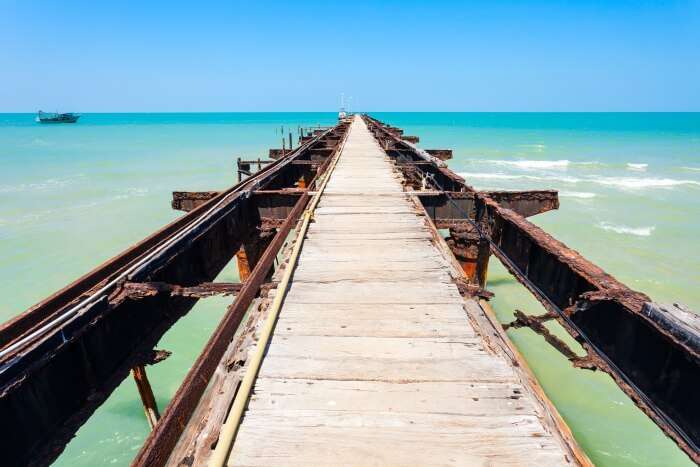
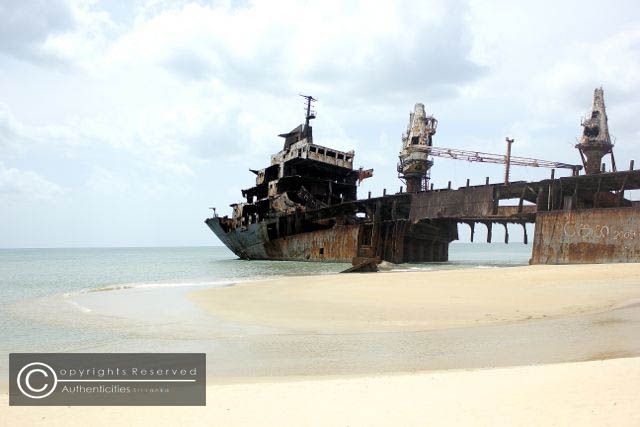
Fharha 3 Ship
Pudukuiriuppu Victory Monument

Nuwara Eliya

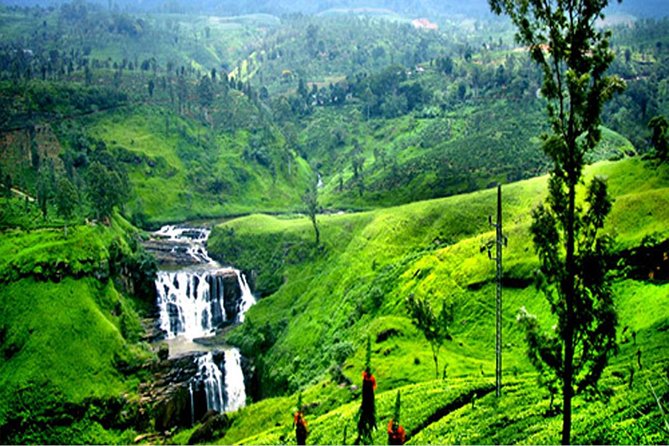
Nuwara Eliya is a city in the tea country hills of central Sri Lanka. The naturally landscaped Hakgala Botanical Gardens displays roses and tree ferns, and shelters monkeys and blue magpies. Nearby Seetha Amman Temple, a colorful Hindu shrine, is decorated with religious figures. Densely forested Galway's Land National Park is a sanctuary for endemic and migratory bird species, including bulbuls and flycatchers.

Places to Visit in Nuwara Eliya

Devon Falls
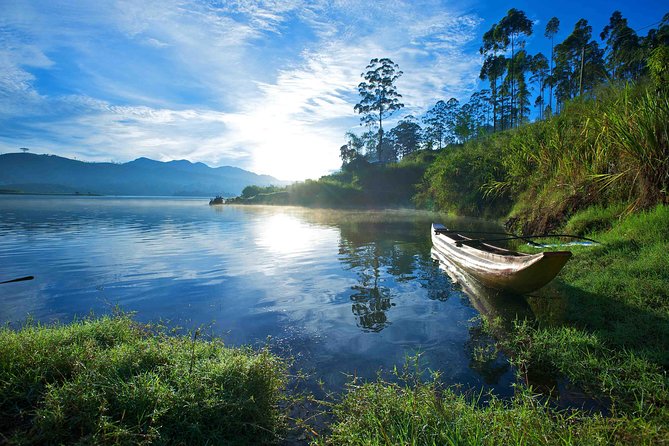
Gregory Lake
Sri Baktha Hanuman Temple
St Clair Falls
Victoria Garden

Polonnaruwa

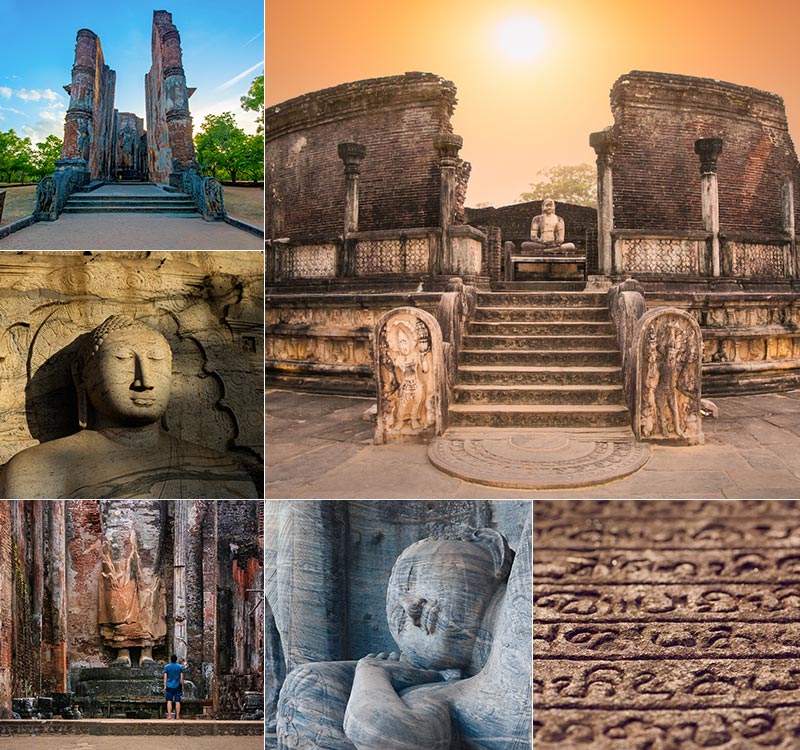
Polonnaruwa is one of the most historically important district in Sri lanka. This was Sri Lankas second capital city after fall of Anuradhapura. The great king King Vijayaba 1, who ruled Sri Lanka during 1055 AD to 1110 AD, was the first native ruler of this kingdom. He defeated and chased away Chola invaders and united the whole country. Still there are large number of ancient ruins, which belongs to Polonnaruwa kingdom can be found throughout this area. Due to those archeological treasures, Polonnaruwa old city was named as a world heritage site by UNESCO in year 1982. Large number of local and foreign tourists visits this place daily. Polonnaruwa belonging to North central district of Sri Lanka. This is mainly an agriculture based district. You can see cascading paddy fields and well plan irrigation network in this area. Since Polonnaruwa is located in dry zone of Sri Lanka, ancient kings have constructed large number of tanks, which collects rain water for dry season usage. Still those tanks and canal networks provides water supply for the irrigation purposes and human use.

Places to Visit in Polonnaruwa

Lotus Pond
Thivanka Pilimageya
Vatadageya
Medirigiriya Watadageya
Minneriya National Park
Nishshanka Latha Mandapaya
Gal viharaya

Puttalam

Puttalam is the largest town in Puttalam District, North Western Province, Sri Lanka. Puttalam is the administrative capital of the Puttalam District and governed by an Urban Council. Situated 130 kilometres north of Colombo, the capital of Sri Lanka and 95 kilometres north of Negombo.

Places to Visit in Puttalam


Energy Production
Salt
Coconut Productions

Rathnapura

Ratnapura is a major city in Sri Lanka. It is the capital city of Sabaragamuwa Province, as well as the Ratnapura District, and is a traditional centre for the Sri Lankan gem trade. It is located on the Kalu Ganga in south-central Sri Lanka, some 101 km southeast of the country's capital, Colombo.

Places to Visit in Rathnapura


Udawalawa National Park
Sinharaja Forest
Bopath Ella

Trincomalee

Trincomalee is a port city on the northeast coast of Sri Lanka. Set on a peninsula, Fort Frederick was built by the Portuguese in the 17th century. Within its grounds, the grand Koneswaram Temple stands on Swami Rock cliff, a popular vantage point for blue-whale watching. The holy complex contains ornate shrines and a massive statue of Shiva. Nearby Gokanna Temple has panoramic views over the city and the coastline.

Places to Visit in Trincomalee

Kinniya Bridge
Koneshwaran Temple
Pigeon Island
Wilgam Viharaya

vavuniya

Vavuniya is a city in the Northern Province, Sri Lanka, governed by an Urban Council. It is also the main settlement in the Vavuniya District. The Security Forces Headquarters - Wanni is located in Vavuniya.

Places to Visit in vavuniya


site got famous as it the spot were King Mahsen rested in the journey of Buddha's tooth relic in the fourth century.